Why Google Reviews Matter More Than Any Other Review Site
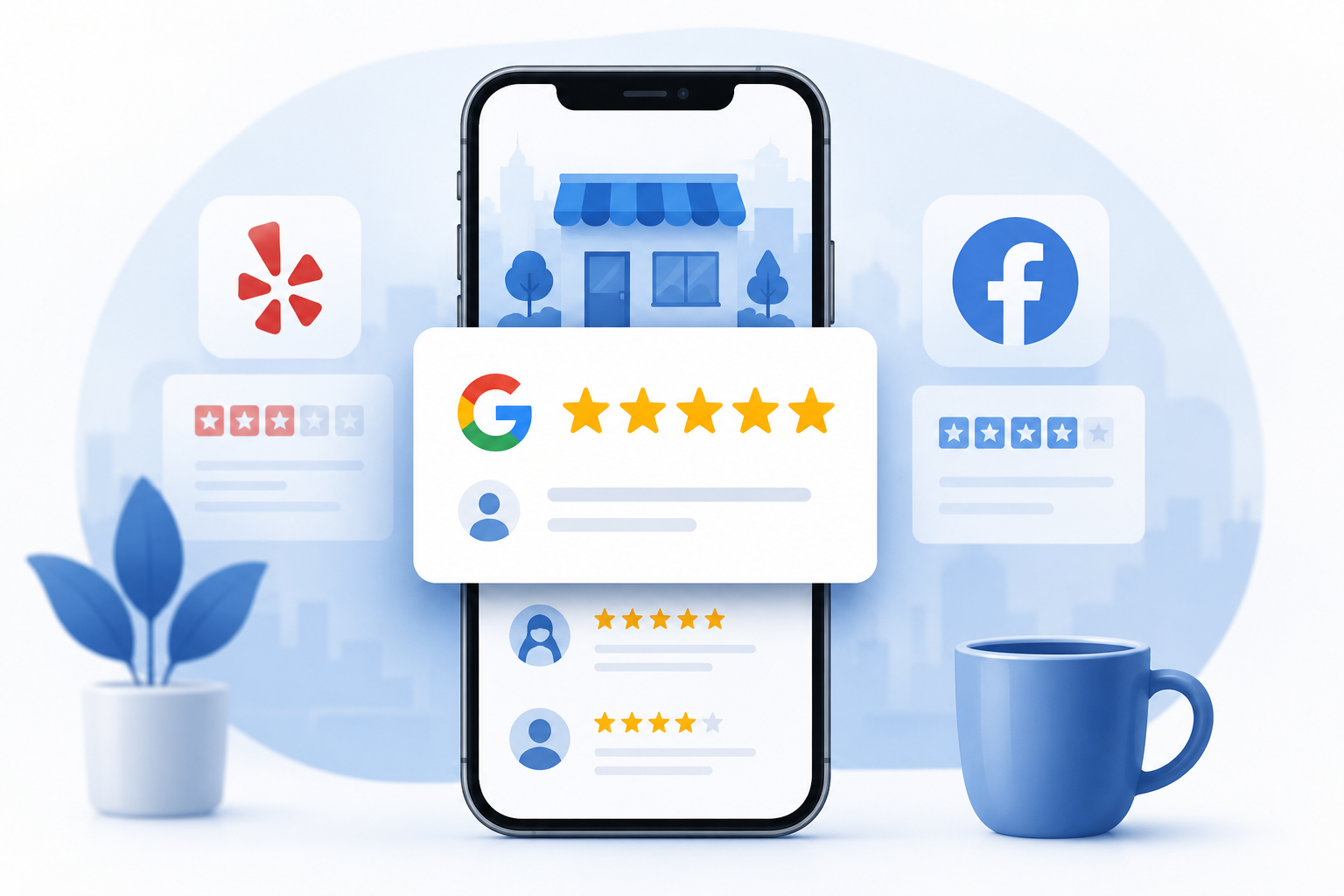
Every business collects feedback somewhere. Some of it lands on Yelp. Some end up on Facebook. Some sit quietly on niche platforms nobody outside the industry has heard of. But when it comes to influence, visibility, and buying decisions, one platform sits far above the rest.
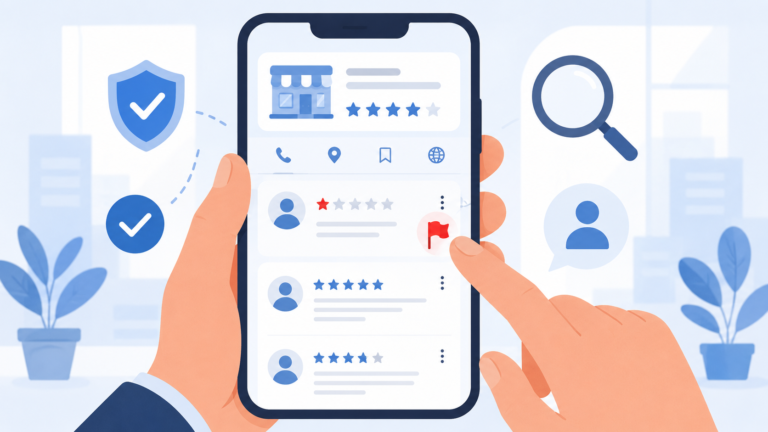
If you have ever searched for a restaurant, a dentist, a plumber, or a gym, you already know this instinctively. The first thing your eyes land on is a business name followed by a row of stars and a review count. That single glance often decides whether you click, call, or scroll past.
This article breaks down exactly why Google reviews carry more weight than any other review platform, how they influence rankings and revenue, and what business owners need to know to use them effectively. If you are new to the topic, it helps to first understand what Google reviews are and how they work before diving into why they matter so much.
Key Takeaways
- Google reviews appear directly in search results and Google Maps, giving them unmatched visibility compared to other platforms.
- They directly influence local SEO rankings through Google’s ranking algorithm.
- Consumers trust Google reviews because they are tied to real Google accounts and search behavior.
- Unlike many other platforms, Google reviews show up at the exact moment a customer is making a decision.
- Businesses with strong Google review profiles see measurable increases in clicks, calls, and foot traffic.
- Managing your Google reviews well protects your reputation and supports long term growth.
The Search Engine Advantage
Every other review platform requires a separate destination. A customer has to think of Yelp, open the app, and search for your business. That is an extra step most people never take.
Google does not require that extra step.
When someone searches for your business name or a related service, your Google reviews appear instantly inside the search results. They also appear in Google Maps, which powers navigation apps and local search on billions of devices.
This built-in visibility means your reviews are seen by people who were never actively looking for reviews in the first place. They were simply searching for a solution to a problem, and your star rating showed up as part of that search.
Why This Matters for Search Intent
Search intent is the reason someone typed a query into Google. Most local searches carry commercial or transactional intent. People searching “coffee shop near me” or “emergency electrician” are close to making a decision.
Google reviews sit directly inside that decision-making moment. No other platform has that level of access to a user’s search journey.
Google Reviews Influence Local Rankings
Search engine optimization is not just about keywords and backlinks anymore. For local businesses, reviews are one of the strongest ranking signals available.
Google’s local algorithm considers several factors when deciding which businesses appear in the local map pack. These include:
- Relevance to the search query
- Distance from the searcher
- Prominence, which includes review quantity, review quality, and review recency
Notice that the third factor is almost entirely built around reviews. A business with dozens of recent, positive Google reviews signals trustworthiness to Google’s algorithm. A business with few or outdated reviews signals the opposite.
How Review Signals Affect Visibility
Search visibility improves when a business consistently earns new reviews, responds to feedback, and maintains a strong average rating. This is closely tied to how Google review ratings are calculated, since the formula behind your star rating directly affects how your business appears in search results.
Other review platforms simply do not carry this same ranking weight because they exist outside Google’s own ecosystem.
Consumer Trust and Behavior
Trust is the real currency behind every review platform. But not all trust is equal.
Research from BrightLocal’s annual Local Consumer Review Survey has consistently found that Google is the most used and most trusted review platform among consumers, far ahead of Yelp, Facebook, and TripAdvisor combined.
There are a few reasons for this.
Reviews Are Tied to Real Accounts
Google requires a Google account to leave a review. While this does not eliminate fake reviews entirely, it creates a stronger barrier compared to platforms that allow anonymous or loosely verified posts.
Reviews Are Timestamped and Visible in Context
Shoppers can see exactly when a review was posted and how a business responded. This transparency builds credibility because it shows ongoing engagement rather than a static, unmanaged profile.
Reviews Appear Alongside Verified Business Information
Google reviews sit next to your business hours, address, phone number, and photos. This context makes the feedback feel more grounded and less like an isolated comment on a separate site.
Comparison Table: Google Reviews vs Other Review Platforms
| Factor | Google Reviews | Yelp | TripAdvisor | |
|---|---|---|---|---|
| Appears in search results | Yes | No | No | Sometimes |
| Influences local SEO rankings | Yes, directly | Indirectly | Indirectly | Indirectly |
| Requires app or separate visit | No | Yes | Yes | Yes |
| Consumer trust level | Highest | Moderate | Moderate | High for travel |
| Integration with maps and navigation | Yes | Limited | No | No |
| Free for business owners to manage | Yes | Limited features free | Yes | Limited features free |
This table illustrates a simple point. Google reviews are woven directly into the tools people already use every day to search, navigate, and make decisions. Other platforms require extra effort from both the business and the customer.
Step by Step: How Google Reviews Influence a Purchase Decision
Understanding the customer journey helps explain why these reviews matter so much.
Step 1: The customer searches for a product or service. They type a query into Google, such as “best HVAC company near me.”
Step 2: Google displays the local map pack. Three businesses appear with their star ratings, review counts, and basic information.
Step 3: The customer scans the star ratings first. Studies on consumer behavior consistently show that star ratings are one of the first elements people notice, often before price or distance.
Step 4: The customer reads a few recent reviews. They look for relevance to their specific need, such as a similar service or problem.
Step 5: The customer makes a decision. They click through to the website, call the business, or request directions.
At no point in this journey does the customer need to leave Google. That seamless experience is a major reason why these reviews outperform other platforms in influencing final decisions.
Expert Tips for Maximizing Google Reviews
Tip 1: Ask at the right moment. The best time to request a review is immediately after a positive interaction, such as completing a service or closing a sale.
Tip 2: Make it easy. Send a direct link to your review page rather than asking customers to search for your business themselves.
Tip 3: Respond to every review. Responding to both positive and negative reviews shows future customers that you are engaged and accountable.
Tip 4: Keep responses professional. Even when a review is unfair, a calm and factual response protects your reputation more than an emotional one.
Tip 5: Monitor reviews regularly. Set a weekly reminder to check your Google Business Profile so nothing goes unanswered for long.
Common Mistakes Businesses Make with Google Reviews
Many businesses unintentionally hurt their own reputation by mishandling their review strategy. Common mistakes include the following.
- Ignoring negative reviews instead of addressing them professionally
- Buying fake reviews, which violates Google’s policies and risks account suspension
- Only asking happy customers for reviews while ignoring the rest
- Failing to claim and verify the Google Business Profile
- Using the same generic response for every review
- Waiting too long to respond, which signals neglect
- Not updating business information, which creates confusion and distrust
Avoiding these mistakes is often more valuable than any single growth tactic, because reputation damage takes far longer to reverse than it does to prevent.
Best Practices for Long Term Review Management
Building a strong Google review profile is not a one-time task. It requires consistent effort over time.
Create a Simple Review Request System
Automate review requests through email or text after every transaction. Consistency matters more than volume in any single week.
Train Your Team
Everyone who interacts with customers should understand the importance of reviews and know how to politely ask for one.
Address Negative Feedback Quickly
A fast, respectful response to a negative review often repairs the relationship and shows other customers that problems get resolved.
Understand the Removal Process When Necessary
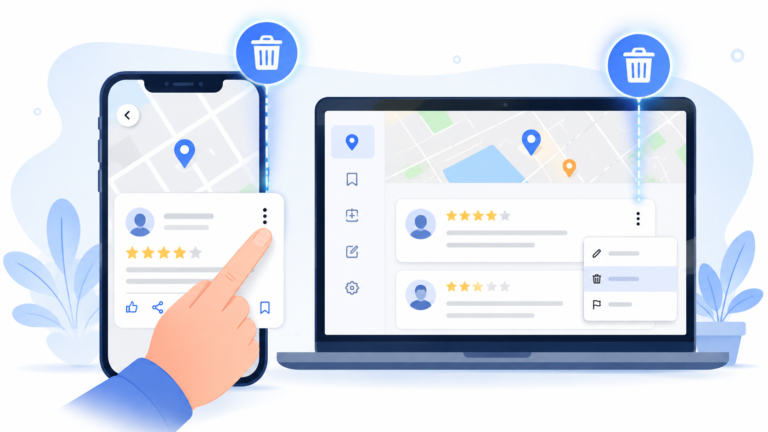
Some reviews violate Google’s policies, such as those containing spam, hate speech, or clearly false claims. In these rare cases, it helps to know how to remove a Google review permanently through the proper reporting channels rather than attempting workarounds that could violate platform guidelines.
Track Your Progress
Use your Google Business Profile dashboard to monitor review trends, average ratings, and customer engagement over time.
Why Google Reviews Support EEAT and Trust Signals
Google’s Helpful Content guidelines emphasize experience, expertise, authoritativeness, and trust, often referred to as EEAT. Reviews play a direct role in demonstrating this trust for local businesses.
A steady stream of authentic reviews shows real world experience with your product or service. Detailed responses from business owners demonstrate expertise and accountability. A strong overall rating builds authoritativeness within your niche and location. And transparency, including how you handle negative feedback, builds long term trust with both customers and search engines.
This is one of the reasons Google reviews are treated differently from other platforms. They are not just social proof. They are a trust signal that search engines actively measure.
The Broader Impact on Business Growth
Beyond rankings and visibility, Google reviews have a measurable impact on revenue. A widely cited study from the Harvard Business School found that a one star increase in Yelp rating can lead to a five to nine percent increase in revenue, and similar patterns have been observed across review platforms including Google.
For small businesses competing in crowded local markets, this kind of impact can be the difference between steady growth and stagnation.
Conclusion
Google reviews are not just another feedback channel sitting alongside Yelp or Facebook. They are built directly into the world’s most used search engine and mapping tool, giving them unmatched visibility, trust, and ranking influence.
They appear at the exact moment a customer is deciding where to spend their money. They shape local search rankings. They build long term trust through transparency and consistency. And they directly affect revenue in ways that are measurable and well documented.
If you take away one lesson from this article, let it be this. Every other review platform is optional for a customer to check. Google reviews are almost impossible to avoid seeing. That single difference is why they matter more than any other review site on the internet today.
Frequently Asked Questions
Do Google reviews affect SEO rankings?
Yes. Review quantity, quality, and recency are part of Google’s local ranking algorithm, directly influencing whether a business appears in the local map pack.
Can I remove a fake or unfair Google review?
In some cases, yes. Reviews that violate Google’s content policies, such as spam or false claims, can be reported and removed through Google’s official reporting process.
How many Google reviews does a business need to rank well?
There is no fixed number, but businesses with a steady flow of recent reviews and strong average ratings generally outperform competitors with few or outdated reviews.
Do negative reviews hurt my business permanently?
Not necessarily. A thoughtful, professional response to a negative review can actually build trust by showing how a business handles problems.
Is it against the rules to ask customers for Google reviews?
No. Asking customers for honest reviews is allowed and encouraged. What is not allowed is offering incentives or writing fake reviews.
How often should I check my Google reviews?
Weekly monitoring is a reasonable baseline for most small businesses, with daily checks recommended for businesses with high customer volume.
Do Google reviews matter for online-only businesses?
Yes, especially if the business has any physical presence or service area. Google reviews still build trust and can appear in relevant search results.
What is the difference between a Google review and a Google Business Profile rating?
The rating is the average score calculated from all individual reviews. The reviews themselves are the written or star-based feedback left by customers.
Can competitors leave fake negative reviews on my Google profile?
It happens occasionally. Google has policies against fake reviews, and business owners can report suspicious activity for investigation and possible removal.